

The industry-leading Five Point Plan for tackling sheep lameness is being refreshed to reflect changing disease pressures, new scientific evidence and the practical realities facing sheep farmers 15 years after its introduction.
Funded through the Farming Innovation Programme’s ADOPT initiative and delivered by Innovate UK in partnership with Defra, the 18-month project will update the Five Point Plan, develop free resources for farmers and vets, and explore the potential for a smartphone-based AI tool to detect lameness from video footage.
Launched by Dr Ruth Clements in 2011, the Five Point Plan, which includes prompt treatment, culling persistently lame sheep, quarantining incoming stock, preventing disease spread and vaccination with Footvax, helped reduce national lameness levels to below 5%.
While the plan has delivered significant gains, rising cases of Contagious Ovine Digital Dermatitis (CODD) and inconsistent uptake of all five measures have highlighted the need for a refreshed approach.
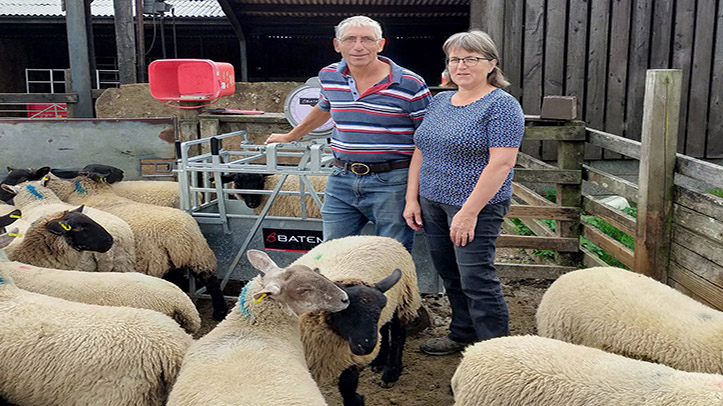
Dr Clements is working with Devon sheep farmers Bryan and Liz Griffiths, who are chairing and managing the project. They have been engaging farmers, vets and industry stakeholders across Great Britain to understand current disease challenges and the practical and behavioural barriers affecting adoption. This has been supported by a review of 15 years of research and evidence on sheep lameness.
The findings will shape a refreshed Five Point Plan, with a stronger focus on CODD and improved practicality for commercial sheep systems. A suite of supporting resources for vets and farmers will also be developed and freely accessible via a central hub. The updated plan is expected to launch later this autumn.
Mr Griffiths said: “Lameness remains one of the biggest challenges facing sheep farmers. The Five Point Plan has delivered real impact, but it now needs updating to reflect current disease pressures and ensure it is practical and easy to adopt on farm.”
Dr Clements added: “Since 2011, we’ve gained a much better understanding of sheep lameness, particularly CODD, and of the factors that influence how and why farmers adopt best practice. This refresh brings that together into an updated, practical and evidence-based plan for the future.”
Lameness remains one of the most significant health and welfare challenges in the UK sheep sector, driven mainly by Footrot and CODD. It reduces fertility, lamb growth and flock performance, while increasing antibiotic use and affecting animal welfare and productivity.
The refreshed plan aims to support sustained reductions in lameness by combining updated science, farmer experience, behavioural insights and digital innovation, aligned with the ambitions of the Animal Health and Welfare Pathway.