

Pet owners are being encouraged by the Veterinary Medicines Directorate (VMD) to take caution before purchasing or using tick prevention products promoted on social media.
The advice follows the publication of a study in Veterinary Record that examined the most-engaged English-language TikTok videos about tick prevention for cats and dogs.
The research found that while tick prevention videos received high engagement on the social media platform, the content was largely influencer driven, with limited involvement from veterinary professionals.
Results showed that the most common content promoted and demonstrated use of natural or holistic tick prevention methods, and videos promoting natural or non-prescription approaches received higher total engagement compared to other types of content.
The study also found that references to perceived safety frequently appeared alongside natural ingredients or holistic themes but were rarely accompanied by evidence or cautionary information.
Social media can be a useful source of information for pet owners, but advice shared online may not always be accurate, evidence-based or appropriate for individual animals.
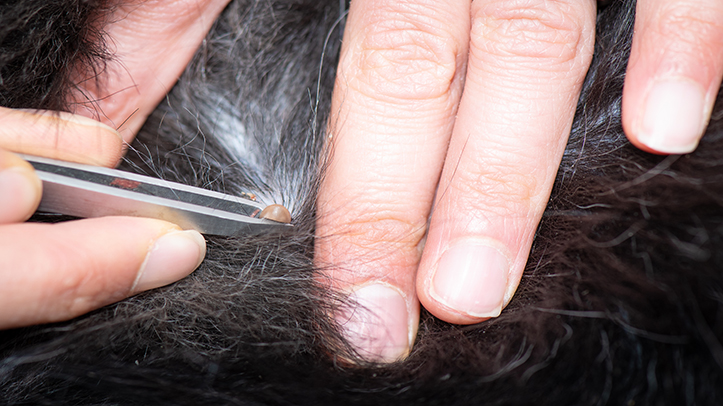
Ticks can transmit diseases to animals and people, making effective prevention an important part of pet healthcare.
When in doubt, the VMD encourages owners to discuss suitable tick prevention options with their vet or qualified medicines supplier and to be cautious of health claims made by social media influencers or online sellers before considering use of the product.
Andy Parker, head of VMD Enforcement, said: “We are aware that, herbal and natural products are often marketed on social media channels with claims implying a benefit to health and wellbeing.
“We encourage pet owners to talk to a registered qualified professional – such as a vet, pharmacist or qualified professionals working in a pet shop – about flea and tick treatments and natural alternatives when in doubt, and be wary of claims made on social media.”
The VMD ensures through rigorous assessment that all authorised veterinary medicines are of a high quality, are safe and that they work.
“This is something we are unable to ensure for products that have not been through this assessment process,” Mr Parker said.
“Products marketed as ‘natural’ are still subject to the same advertising rules governing non-medicinal veterinary products. Anyone selling or promoting these products needs to be aware of what you can and cannot claim, you could be subject to enforcement action if you make medicinal claims for an unlicensed product.”