

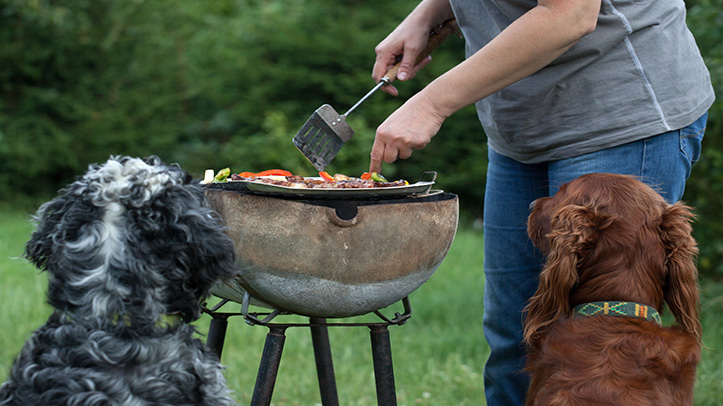
Sean McCormack, head vet at Tails.com, is urging dog owners to think twice before sharing BBQ leftovers with their pets, as searches for BBQs have soared by 376% across the UK ahead of the warm weather.
There is a common misconception that bones, whether raw or cooked, are safe for dogs, but this is not the case.
While bones can be a natural source of minerals, these same nutrients can be found in fortified dog foods and meat-based products that are far safer. This should not justify feeding bones of any kind to dogs.
Bones sold as treats, whether from a butcher or supermarket, are not typically treated or processed to eliminate harmful bacteria. As a result, they may carry pathogens such as Salmonella and E. coli, which can lead to gastroenteritis in dogs.
Symptoms of gastroenteritis include:
- Vomiting;
- Diarrhoea;
- Blood in stool;
- Abdominal pain;
- Weight loss; and
- Fever.
The risks become even greater when bones are cooked, whether on a barbecue or over a hob. Cooked bones become dry and brittle, making them more likely to splinter or shatter. This can result in serious health complications, such as:
- Cuts and wounds in the mouth, tongue, or digestive tract;
- Broken teeth; and
- Internal blockages that may require surgical intervention.
While some may claim that raw bones are safer, they still present mechanical risks. Raw bones can cause dental injuries, such as fractured teeth or lacerations to the gums. Additionally, large chunks may be swallowed whole, leading to digestive issues later on.
For behavioural enrichment, there are much safer alternatives available, such as durable chew toys, natural dental chews, and interactive puzzle feeders.
For all these reasons, it is strongly advised to avoid giving cooked meat bones to dogs (or any pets) especially during barbecue season.
Seasoned and marinated meats
It is important to be aware that marinades and certain ingredients commonly used in barbecue dishes can be harmful or even toxic to dogs.
Even in small quantities, some ingredients can cause a range of symptoms, including:
- Vomiting;
- Diarrhoea;
- Bloating;
- Excessive thirst;
- Irritation to the mouth, stomach or, digestive tract;
- Lethargy; and
- Abdominal pain.
This is why it is best to avoid giving dogs any type of human food, including barbecued items, as many ingredients may not agree with them.
For instance, ready-made barbecue sauces and marinades often contain xylitol, an artificial sweetener that is highly toxic to dogs. Xylitol can cause a rapid drop in blood sugar levels and severe liver damage, both of which can be life-threatening if not treated promptly. It is sometimes found in peanut butter and other ‘sugar-free’ products, so it is essential to keep these well out of reach.
Garlic, onions and, shallots (whether fresh, dried or frozen) are commonly used in barbecue marinades, but are also dangerous for dogs. These ingredients can cause digestive upset and, in severe cases, damage red blood cells, potentially leading to anaemia.
Mustard, a staple barbecue condiment and often used in marinades, pre-seasoned meats, burgers and sausages, is also unsafe. It contains compounds that are toxic to dogs and can result in inflammation of the stomach and intestines (gastroenteritis).
If your dog shows any of the above symptoms, contact your vet immediately. It is also worth noting that smaller dogs are more susceptible and can be affected by much smaller amounts than larger breeds.
Processed meats
Many barbecue favourites such as hot dogs, deli-style meats and pre-made burgers (unless clearly labelled otherwise) are highly processed. These products often contain excessive amounts of fat and salt, which is not suitable for dogs.
The combination of processed meats and condiments can result in very high sodium levels. If consumed, particularly in large quantities, this can lead to salt poisoning in dogs, especially if your dog has no access to water.
Dogs are significantly more sensitive to salt than humans. Even relatively small amounts can be harmful. Symptoms of salt poisoning can affect the neurological, gastrointestinal and cardiovascular systems. The most common signs include:
- Extreme thirst;
- Increased urination;
- Confusion;
- Nausea;
- Muscle spasms; and
- Vomiting.
If your dog displays any of these symptoms, contact your vet immediately. Prompt treatment is crucial to avoid serious complications.
What’s the issue with leftovers and rubbish?
Dogs are naturally curious and surprisingly intuitive, which is why it’s essential to ensure that any leftovers or discarded food are properly secured and stored, preventing eager paws and noses from getting into trouble.
Barbecue foods, as previously mentioned, pose several risks to dogs. However, there are additional dangers often overlooked that can lead to internal blockages, punctures, obstructions, or even choking hazards.
One major concern is the use of bamboo or wooden skewers, commonly found in dishes like vegetable kebabs or chicken skewers. Dogs will not know to remove the skewer before eating, and if swallowed, it can cause severe internal injuries.
Always make sure skewers and similar sharp items are disposed of securely, especially if your dog is known to rummage or scavenge.
Another common barbecue hazard is corn on the cob. While it may seem harmless, the cob itself is indigestible for dogs and can cause serious intestinal blockages, often requiring surgical removal. It is vital that corn cobs are kept well out of reach.
This level of caution should also apply to bin bags and outdoor bins. Dogs (or other nocturnal animals) can easily access unsealed rubbish, risking injury from sharp bones, skewers, packaging, or other hazardous materials.
Safe alternatives
If you would like your dog to join in during a barbecue, you can set aside some plain, unseasoned meat to cook separately for them on the grill.
As mentioned earlier, lean meats such as chicken breast, turkey, or lean beef, without any bones, are perfectly safe for dogs to eat.
Grilled vegetables such as carrots or courgette or sweet potato are also a great safe BBQ option for dogs, though they may, unsurprisingly, prefer the lean meats mentioned above!
It is essential that no sauces, marinades, or spice rubs are used, as many of the ingredients in these can be harmful to dogs, even in small amounts.