

OvertheCounter
    Twitter LinkedIn
    • Email Newsletters
    • Magazine Subscriptions
    • About Us
    • Advertise
    • Contact Us
    Twitter LinkedIn
    CPD Log-In
    OvertheCounter
    • News
      • Dairy / Beef
      • Sheep
      • Pigs / Poultry
      • Equine
      • Companion
      • Retail
      • Training
    • Magazines
      1. May 2026
      2. March 2026
      3. January 2026
      4. November 2025
      5. September 2025
      6. July 2025
      7. May 2025
      Featured

      Over the Counter – May 2026

      By Simon KingMay 18, 2026
      Recent

      Over the Counter – May 2026

      May 18, 2026

      Over the Counter – March 2026

      March 17, 2026

      Over the Counter – January 2026

      January 12, 2026
    • CPD Training
      • AMTRA CPD Modules
        • Frontline Academy
        • Companion Animal CPD Modules
        • Equine CPD modules
        • Livestock CPD Modules
        • Poultry CPD Modules
        • Are you a Gold Standard SQP?
      • VETPOL CPD Modules
        • Companion Animal CPD Modules
        • Equine CPD Modules
        • Livestock CPD Modules
        • Poultry CPD Modules
      • Earning CPD points with overthecounter.news
      • CPD Log-In
      • Wormstock 2023
    • National SQP Awards
    OvertheCounter
    Dairy / Beef

    Top tips to minimise risks of heat stress in dairy herds

    mmBy Simon KingJune 22, 2023No Comments3 Mins Read
    LinkedIn Twitter Facebook Email

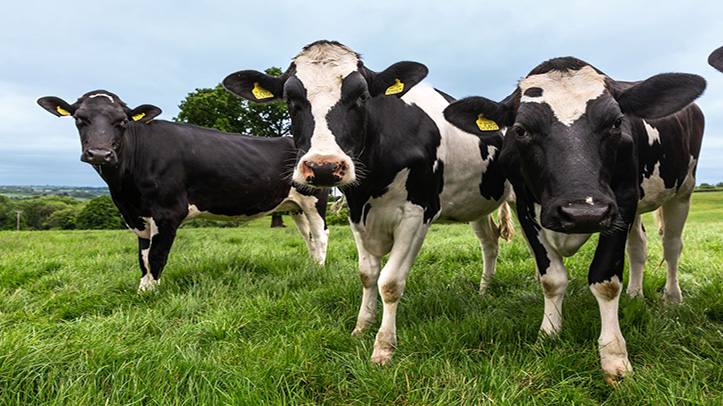
    With the first heatwave of the summer seeing temperatures top 30°C in parts of the country, and predictions that we can expect more of the same over the coming months, dairy producers are being reminded of the risks of heat stress in cows, and the potential significant impacts on health, performance and fertility.

    “In the UK temperatures tend to fluctuate and top in the 30s, but even with these fluctuations, humidity tends to remain above 60% from April all the way through to October, meaning that heat stress remains a risk even at more moderate temperatures,” said KW Feeds ruminant technical manager, Charlotte Ward.

    “While we have seen extremes in the early part of June and can expect more, it must therefore not be forgotten that cattle can be affected by heat stress at far lower temperatures than those recently experienced.”

    Ms Ward added: “Crucially, fertility can be affected well before cows show any behaviour of heat stress, or before production is impacted.”

    She advised to take precautionary steps to minimise the risks, preparing five ‘top tips’ to help guide the dairy farmer.

    Provide adequate drinking water
    At least 15% of the herd should be able to drink at the same time, so allow for adequate trough space. Also, check refresh rates and watch cows in the afternoon when water points are under pressure. Cows drink between 60-120 litres per cow, per day, so provide fresh, clean water to encourage intakes.

    Apply careful herd management
    Reduce stocking density where possible and make sure shading is available for grazing animals. Consider grazing at night.

    Adopt building management procedures
    Opening vents or shed sides can improve ventilation, being sure to clear away anything blocking airflow. Carefully consider the placement of fans.

    Adjust feed management
    Mix rations just before feeding out, so feed is always fresh. Adjust volumes if required and clear away refusals. For housed cows, feed 60% of the ration between 8pm and 8am.

    Change ration formulations
    Dry matter intake is reduced in periods of heat stress, so to maintain the cow’s nutrient intake, the nutrient density of the diet needs to be increased, and the ration made as palatable as possible.

    Planned ration formulations
    KW advises feeding high quality forages or high energy forage replacers, and to feed a greater ratio of concentrates to forage, as part of a carefully planned ration formulation.

    “Forage produces seven times more heat than concentrates, so feed a greater ratio of concentrates to forage” explained Ms Ward, “but ensure a good quality digestible fibre source such as sugar beet feed or soya hulls is fed to maintain rumen health.”

    Share. LinkedIn Facebook Twitter Email
    Previous ArticleCeva strengthens its management team
    Next Article Warning that lambs face severe worm challenge as wet weather arrives
    mm
    Simon King

    Editor - Over The Counter. Simon has more than 20 years’ experience in B2B publishing. When not slumped over his PC, Simon is a keen follower of sport, supporting Manchester United, and is at his absolute happiest watching most sport in glorious UHD, with something cold to drink by his side.

    Read Similar Stories

    Time to feed nutrients not numbers

    Elanco completes acquisition of AHV

    Feeding dry cows: The Goldilocks approach

    Most Read

    Farms hold key to break rodenticide resistance spread

    June 3, 2026

    New calculator helps optimise pig and broiler feed strategies

    June 2, 2026

    New environmental index launched to cut UK sheep flock carbon footprint

    June 1, 2026

    Any animal medicine advertising or promotion should conform to the ‘code of practice’ of the National Office of Animal Health (NOAH).
    For full details contact the publisher or www.noah.co.uk.

    Lewis Business Media Ltd endeavours to make articles and statements as accurate as possible.

    © 2026 Lewis Business Media. All Rights Reserved.
    Lewis Business Media, Suite A, Arun House, Office Village, River Way, Uckfield, TN22 1SL

    Privacy Policy | Cookie Policy | Terms & Conditions

    The OTC "tick" mechanism is the copyright of Lewis Business Media Ltd ©2025

    • Pet Business World
    • Pest

    Type above and press Enter to search. Press Esc to cancel.

    OvertheCounter
    Managing Your Privacy

    To provide the best digital experience, we use cookies to store and/or access device information. Consenting to our use of cookies allows us to process data such as reading behaviour. Not consenting or withdrawing consent, may adversely affect certain features and functions.

    Functional Always active
    The technical storage or access is strictly necessary for the legitimate purpose of enabling the use of a specific service explicitly requested by the subscriber or user, or for the sole purpose of carrying out the transmission of a communication over an electronic communications network.
    Preferences
    The technical storage or access is necessary for the legitimate purpose of storing preferences that are not requested by the subscriber or user.
    Statistics
    The technical storage or access that is used exclusively for statistical purposes. The technical storage or access that is used exclusively for anonymous statistical purposes. Without a subpoena, voluntary compliance on the part of your Internet Service Provider, or additional records from a third party, information stored or retrieved for this purpose alone cannot usually be used to identify you.
    Marketing
    The technical storage or access is required to create user profiles to send advertising, or to track the user on a website or across several websites for similar marketing purposes.
    • Manage options
    • Manage services
    • Manage {vendor_count} vendors
    • Read more about these purposes
    Cookie Preferences
    • {title}
    • {title}
    • {title}