

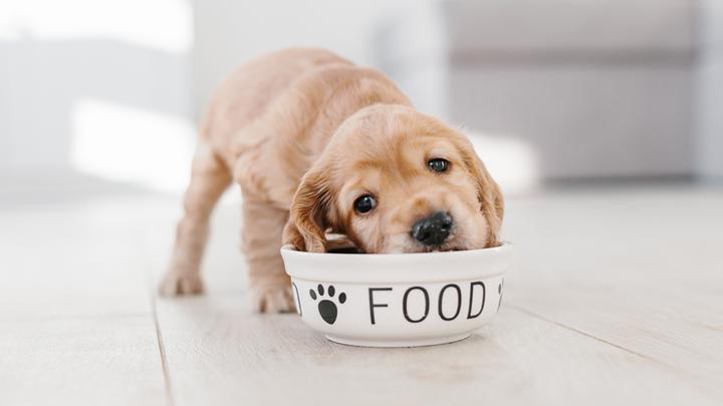
A new study has found that microplastics are in more than three-quarters of pet food products.
The research by the universities of Sussex and Exeter found microplastics in 16 out of the 19 brands that were tested, including “very well-known ones”.
Cheaper “value range” products given to dogs, cats and wild animals contained more than the expensive ones, it found.
Microplastics are tiny plastic particles, typically smaller than 5mm.
Several studies have suggested that microplastics can harm animals and humans in many ways, though working out their exact impact is tricky and more research is needed.
Researchers in Sussex and Exeter said plastic pollution in pet food may have potential implications for health, but this was not the focus of their study.
Researchers found that, despite higher concentrations in dry food, wet food leads to higher daily microplastic intake because pets need to eat more of it to meet their energy requirements.
They are urging government to put in new regulations to insist processed food manufacturers test for microplastic contamination – similar to legislation that already exists to prevent chemical contamination.
Dr James Cooper, from the Food Standards Agency, said the government continues to monitor and assess emerging data regarding microplastics in food and feed.
“Based on current information, the FSA considers it unlikely that the presence of microplastics in food or pet food would cause harm, though this will be kept under review as new evidence becomes available,” Dr Cooper said.
“Microplastics are not intentionally added to food. They occur as a result of plastics being fragmented by natural processes and can enter the food chain through uptake by animals, plants, or from food contact materials.”
University of Exeter Professor of Ecotoxicology Tamara Galloway said: “Our results are a reminder that our pets are exposed to the same chemical pollutants as ourselves.”
Fiona Mathews, Professor of Environmental Biology at the University of Sussex, added: “Pets may be inadvertently spreading plastic pollution through their food and faeces, affecting wildlife and the wider environment.”