

OvertheCounter
    Twitter LinkedIn
    • Email Newsletters
    • Magazine Subscriptions
    • About Us
    • Advertise
    • Contact Us
    Twitter LinkedIn
    CPD Log-In
    OvertheCounter
    • News
      • Dairy / Beef
      • Sheep
      • Pigs / Poultry
      • Equine
      • Companion
      • Retail
      • Training
    • Magazines
      1. May 2026
      2. March 2026
      3. January 2026
      4. November 2025
      5. September 2025
      6. July 2025
      7. May 2025
      Featured

      Over the Counter – May 2026

      By Simon KingMay 18, 2026
      Recent

      Over the Counter – May 2026

      May 18, 2026

      Over the Counter – March 2026

      March 17, 2026

      Over the Counter – January 2026

      January 12, 2026
    • CPD Training
      • AMTRA CPD Modules
        • Frontline Academy
        • Companion Animal CPD Modules
        • Equine CPD modules
        • Livestock CPD Modules
        • Poultry CPD Modules
        • Are you a Gold Standard SQP?
      • VETPOL CPD Modules
        • Companion Animal CPD Modules
        • Equine CPD Modules
        • Livestock CPD Modules
        • Poultry CPD Modules
      • Earning CPD points with overthecounter.news
      • CPD Log-In
      • Wormstock 2023
    • National SQP Awards
    OvertheCounter
    Companion

    Experts explain how to help senior dogs through cold winter spells

    mmBy Simon KingDecember 23, 2024No Comments5 Mins Read
    LinkedIn Twitter Facebook Email

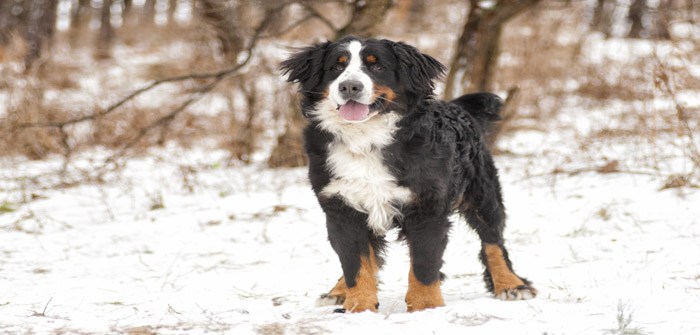
    As winter settles in and temperatures drop, it’s important to keep dogs happy and healthy – especially older dogs who may not be as active and rely less on play or exercise to stay warm.

    With this in mind, Sean McCormack, head vet and Carolyn Menteith, behaviourist at Tails.com, have offered their top tips and advice for managing senior dog’s wellbeing, as well as some of the challenges that they may face during the winter months.

    Mr McCormack has revealed some of the common challenges that senior dogs may face during cold spells of weather:

    Arthritis and joint pain
    When the weather gets colder, joints can become stiffer for many older dogs, or arthritis may worsen. This is because the drop in temperature can cause muscles and joints to become less flexible, leading to discomfort and making movement painful and difficult.

    Hypothermia and poor temperature regulation
    Some senior dogs have a harder time regulating their body temperature when cold snaps hit the UK. As dogs age, their coats may become thinner, and they may have reduced body fat or weakened metabolisms, which makes it harder for them to stay warm.

    As a result, older dogs are more susceptible to conditions such as hypothermia or frostbite. While temperatures in the UK rarely drop to levels that can cause these problems, it is still important to be aware of the risk, especially as we are now in the height of winter.

    Weakened immune system
    As our dogs age, much like humans, their immune systems may not be as strong as they once were. This means they can be more vulnerable to infections, including respiratory illnesses, during colder weather.

    Reduced energy and fatigue
    You may also notice that during colder temperatures, your senior dog appears more lethargic and less inclined to play or go for walks. This can be challenging, as reduced movement may cause mobility issues to worsen or lead to weight gain due to a lack of physical activity.

    Slips and falls
    Snow and ice on the ground during colder months can make all dogs more susceptible to slips and falls. However, for senior dogs, slippery roads and pavements are especially dangerous. Weaker muscles, brittle bones, and balance problems increase the risk of falls, as their reflexes may be slower and more limited.

    During the colder months, there are a lot of challenges you need to consider, so how can you make sure that your older dog remains happy and healthy during winter? Below, Carolyn Menteith, behaviourist at Tails.com, has given her top tips:

    How can you manage your senior dog’s wellbeing during cold spells of weather?
    Every dog, like us, is unique, and different breeds and types respond differently to the cold. Some seniors will continue to whizz around as usual, taking the cold weather in stride, while others will prefer to spend the day snuggled up in a duvet. Be guided by your dog.

    If they are just as keen to ‘get out there’ as they always are, wrap up warm and go with them!

    Be careful of slippery, icy surfaces, try not to walk where roads or pavements have been salted (as this can cause irritation or severe skin complaints), and keep a close eye on them to make sure they are not getting cold. Keep these walks short and close to home, because no matter how enthusiastic they are at first, a senior dog can quickly relax.

    If, however, they seem stiff, lethargic, or just unwilling to move far from their bed, that is absolutely fine. Make sure they have a comfortable bed near you, away from draughts, and with enough blankets to keep them warm and cosy.

    What can you do to ensure that your dog stays mentally stimulated without going outside on really cold days? 
    All dogs need mental enrichment as well as physical exercise, and so on really cold days when neither you nor your dog want to venture out, you can increase this part of your interactions with your dog. This can mean gentle play, practising some training exercises (if your dog enjoys this), or using treat dispensing puzzles like lick mats or snuffle mats, for example.

    For those dogs that enjoy being groomed, brushing them and spending quality time with them is often just as good as going for a walk.

    What about if your dog stops eating or their appetite decreases?
    If your dog is doing less exercise, there is the possibility they might eat less, but you will know if this is usual for your dog or not. Any unusual changes to your dog’s eating habits should be investigated by your vet immediately.

    What else do you need to consider when it comes to caring for senior dogs during the winter?
    While you don’t have to venture out on the wildest or coldest winter days, your dog still needs your attention and love. If you are not spending dedicated time walking them, you need to replace this with gentle play, mental enrichment, and your company.

    Share. LinkedIn Facebook Twitter Email
    Previous ArticleSuccess for equine feed manufacturer’s Slimmers’ Club
    Next Article Jollyes enhances staff support and hiring measures
    mm
    Simon King

    Editor - Over The Counter. Simon has more than 20 years’ experience in B2B publishing. When not slumped over his PC, Simon is a keen follower of sport, supporting Manchester United, and is at his absolute happiest watching most sport in glorious UHD, with something cold to drink by his side.

    Read Similar Stories

    BVA publishes practical resources to help vet teams get ready and compliant with upcoming changes

    Time to feed nutrients not numbers

    Visitor registration opens for PATS 2026

    Most Read

    BVA publishes practical resources to help vet teams get ready and compliant with upcoming changes

    May 26, 2026

    Time to feed nutrients not numbers

    May 25, 2026

    Visitor registration opens for PATS 2026

    May 22, 2026

    Any animal medicine advertising or promotion should conform to the ‘code of practice’ of the National Office of Animal Health (NOAH).
    For full details contact the publisher or www.noah.co.uk.

    Lewis Business Media Ltd endeavours to make articles and statements as accurate as possible.

    © 2026 Lewis Business Media. All Rights Reserved.
    Lewis Business Media, Suite A, Arun House, Office Village, River Way, Uckfield, TN22 1SL

    Privacy Policy | Cookie Policy | Terms & Conditions

    The OTC "tick" mechanism is the copyright of Lewis Business Media Ltd ©2025

    • Pet Business World
    • Pest

    Type above and press Enter to search. Press Esc to cancel.

    OvertheCounter
    Managing Your Privacy

    To provide the best digital experience, we use cookies to store and/or access device information. Consenting to our use of cookies allows us to process data such as reading behaviour. Not consenting or withdrawing consent, may adversely affect certain features and functions.

    Functional Always active
    The technical storage or access is strictly necessary for the legitimate purpose of enabling the use of a specific service explicitly requested by the subscriber or user, or for the sole purpose of carrying out the transmission of a communication over an electronic communications network.
    Preferences
    The technical storage or access is necessary for the legitimate purpose of storing preferences that are not requested by the subscriber or user.
    Statistics
    The technical storage or access that is used exclusively for statistical purposes. The technical storage or access that is used exclusively for anonymous statistical purposes. Without a subpoena, voluntary compliance on the part of your Internet Service Provider, or additional records from a third party, information stored or retrieved for this purpose alone cannot usually be used to identify you.
    Marketing
    The technical storage or access is required to create user profiles to send advertising, or to track the user on a website or across several websites for similar marketing purposes.
    • Manage options
    • Manage services
    • Manage {vendor_count} vendors
    • Read more about these purposes
    Cookie Preferences
    • {title}
    • {title}
    • {title}