

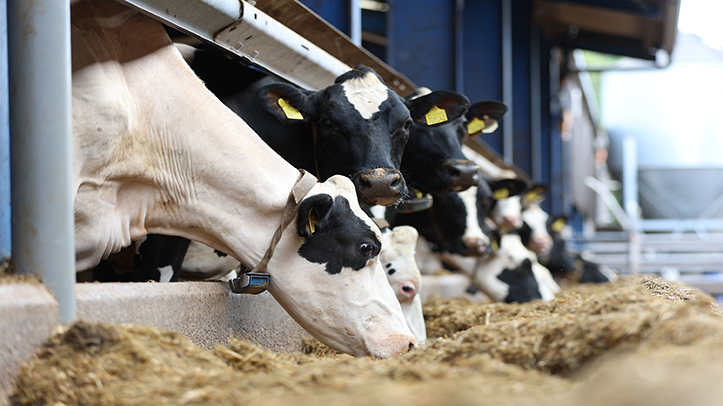
Additional flexibility in dairy herd nutrition will be needed in the upcoming season, as grass and silage quality, silage stocks and dairy cow nutritional requirements may be affected by the challenging grass growing season in 2026.
“With rain now reaching most parts of the UK, we expect cows to be put out to grass to enjoy the autumn flush. However, this carries the risk of staggers. Ensure magnesium is offered; either in nuts, meal or a molasses lick, to help reduce the likelihood.”
Assessing body condition is also critical.
“Although cows may still be outside for 24 hours a day, intakes could be well below what we would normally anticipate,” Mr Wilde said. “This can result in cows ‘milking off their backs’ and this can take 2-3 months to be regained when cows are housed; usually at the expense of yield.
“For Autumn calving herds, in particular, this can have a considerable impact on annual milk sold, and income. Ensure you know what nutrition the cows are getting and add buffer feeds if available depending on their requirements.”
“Late Autumn grass can be high in protein and very leafy,” he said. “This can make ensiling trickier, as it is generally wetter. The higher proteins often seen, can buffer the fermentation process, slowing it down and producing even more water.
“In turn, the fermentation can be disrupted, and we often see higher levels of butyrate in these silages caused by Clostridiaspp. bacteria. An effective, fast acting additive can minimise this risk and is strongly recommended.”
“Bear in mind, the El Nino effect which may see the 2027 season providing additional difficulties,”\ Mr Wilde said. “This highlights the need to be proactive, know what feed you have, both quantity and quality, and consider additional ingredients which may provide the necessary nutrition to the herd and ensure performance is not negatively impacted.”