

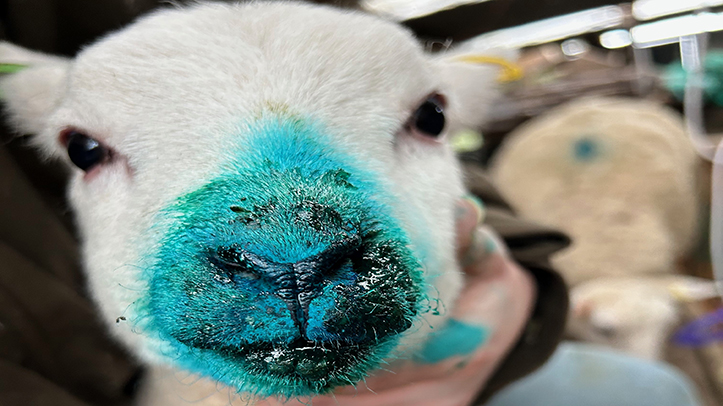
A new study has revealed that sheep farmers may be misusing antibiotics for the treatment of the zoonotic viral skin infection, orf.
The study, conducted by the Royal Veterinary College (RVC) and NoBACZ Healthcare, found that 65 % of respondents used a topical antibiotic spray and a quarter of farmers admitted using injectable antibiotics, which is not appropriate first line treatment for orf and will have no impact on the viral lesions unless secondary infection is present.
The study also highlighted that while antibiotics were the favoured orf treatment by many farmers, pain relief was used by 34 % and rock salt licks by 14%.
Orf is endemic in the UK, with the disease having been seen on 73% of respondents’ farms in the past year, with 90% of sheep farmers with orf on their premises stating that the disease had affected their naturally reared lambs, 50 % highlighting that their adult ewes had been affected and 11 % reporting orf in their rams.
Moreover, a third of farmers had reported contracting orf themselves in the past, with 20% stating that this had been within the last 12 months.
Despite the high prevalence, only 23% of farmers questioned were using the licensed vaccine, even with the National Office of Animal Health (NOAH) Livestock Vaccination Guideline categorising orf vaccination as a category two vaccination recommended in flocks where there is already orf present on the farm.
David Charles, veterinary surgeon at NoBACZ Healthcare and one of the researchers behind the study, said: “The impact of orf on flocks is huge, and little has been done to assess treatment approaches or the economic impact of orf for over a decade. The new study revealed a median cost per affected lamb was £5 and farmers highlighted treatment costs, time involved in treatment, and ewes with mastitis as the biggest areas where these economic losses occur.
“Management of an orf outbreak can be challenging and there is currently no licensed treatment for the disease. Antibiotics are often not an appropriate choice for the management of orf, and proven antibiotic-free alternatives are a more responsible first choice.”
Ambugreen from NoBACZ Healthcare features unique patented technology providing both physical and microbial protection to prevent the passage of microbes, allowing for natural healing underneath. The long-lasting and durable gel barrier is copper-free making it suitable for use on all livestock, including copper-sensitive sheep breeds.
One sheep farmer who used Ambugreen for an orf outbreak during last year’s lambing season is Eleri Williams from Denbighshire in Wales.
“We see orf cases each season with approximately 50% of lambs affected with lesions around their muzzle, which is followed by transfer onto ewes’ teats,” Eleri said.
“In the past we would typically use antibiotic spray to reduce the risk of secondary infection, together with orf buckets and rock salt, however infection would be prolonged, leading to loss of body condition. Where teats were affected, lambs could deteriorate quickly when ewes were too uncomfortable to allow feeding. In the very worst cases we’ve lost lambs.”
Eleri continued: “Last year we used Ambugreen for the first time and found significantly fewer instances of orf, with only 20% of lambs and no ewes effected.
“The Ambugreen barrier seemed to limit the spread of infection between the lambs and onto ewes’ teats, drying the lesions rapidly and improving healing time. We found that lambs kept better body condition throughout treatment and recovery as they were still able to drink from their mothers. Recovery times were also much quicker, with some lambs only requiring a single treatment.
“In our worst cases, orf was gone within 10-14 days. Ambugreen is now an essential part of my lambing kit as I know I’ll be equipped with something that really works!”