

OvertheCounter
    Twitter LinkedIn
    • Email Newsletters
    • Magazine Subscriptions
    • About Us
    • Advertise
    • Contact Us
    Twitter LinkedIn
    CPD Log-In
    OvertheCounter
    • News
      • Dairy / Beef
      • Sheep
      • Pigs / Poultry
      • Equine
      • Companion
      • Retail
      • Training
    • Magazines
      1. November 2025
      2. September 2025
      3. July 2025
      4. May 2025
      5. March 2025
      6. January 2025
      Featured

      Over the Counter – November 2025

      By Simon KingNovember 3, 2025
      Recent

      Over the Counter – November 2025

      November 3, 2025

      Over the Counter – September 2025

      September 15, 2025

      Over the Counter – July 2025

      July 18, 2025
    • CPD Training
      • AMTRA CPD Modules
        • Frontline Academy
        • Companion Animal CPD Modules
        • Equine CPD modules
        • Livestock CPD Modules
        • Poultry CPD Modules
        • Are you a Gold Standard SQP?
      • VETPOL CPD Modules
        • Companion Animal CPD Modules
        • Livestock CPD Modules
        • Poultry CPD Modules
      • Earning CPD points with overthecounter.news
      • CPD Log-In
      • Wormstock 2023
    • National SQP Awards
    OvertheCounter
    News

    Government data highlights winter risk of trace element deficiencies in ewes

    mmBy Simon KingNovember 28, 2025No Comments3 Mins Read
    LinkedIn Twitter Facebook Email

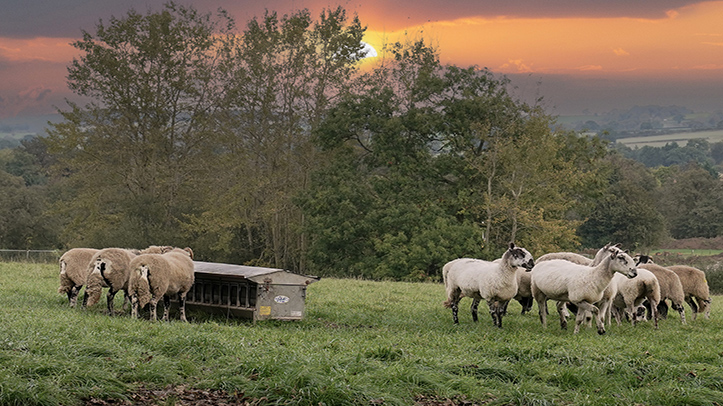
    Trace element deficiencies during winter consistently rank among the most frequent diagnoses in sheep submissions, according to government data – posing a stark warning to farmers to ensure ewes are properly supplemented.

    Data from the Sheep Disease Surveillance Dashboard, issued by the Animal and Plant Health Agency (APHA) and SRUC, shows that between 2015 and 2024, selenium deficiency was the second most frequent diagnosis recorded in sheep flocks between October and December. Cobalt /vitamin B12 deficiency (pine) also ranked fourth during the same period.

    According to Nia Williams, technical manager at Nettex, failure to address identified deficiencies within a flock could result in metabolic or reproductive issues during late gestation and into lambing.

    “In the last six weeks of pregnancy, around 75% of foetal development takes place, putting extra pressure on the ewe,” she explained. “That means providing a correctly balanced diet – not just in terms of energy and protein but also trace elements – is vital.

    “Selenium and vitamin E have a key role to play at this stage, both for the health of the ewe and her lambs. Deficiencies in utero can lead to developmental issues, and can contribute to abortions, stillbirths and weak lambs.”

    The risk of selenium deficiency is closely linked to the apparent digestibility of selenium within forage, which can vary between 35% and 65%. Furthermore, soil selenium levels directly influence plant uptake, with well-aerated, alkaline soils supporting better absorption.

    In contrast, compacted or waterlogged soils can restrict selenium uptake and therefore reduce its availability in forage – something farmers should be mindful of, explained Rumenco’s technical services manager, Dr Alison Bond.

    “If your ewes are grazing areas prone to compaction, the ability of the forage to absorb certain trace elements such as selenium may be reduced — and this should be factored into nutrition plans,” added Dr Bond.

    However, Mrs Williams cautions that over-supplementation can also cause problems.

    “The safety margin for selenium is narrower than for many other elements,” she says. “That’s why we recommend taking blood samples from a small group of ewes, alongside a full forage analysis, to check whether supplementation is required.”

    Cobalt/vitamin B12 deficiency is also linked to low cobalt soils and can be further complicated by worm burdens, which may cause diarrhoea and interfere with vitamin B12 absorption.

    “Rumen microbes use cobalt to produce vitamin B12, which is then absorbed by the sheep,” added Mrs Williams. “Vitamin B12 is essential for fibre digestion and energy metabolism, so ewes that are deficient won’t be able to make the most of the diet available to them and may be more susceptible to problems in the run-up to lambing.”

    To overcome deficiencies, a range of targeted products are available to help protect ewes and their unborn lambs.

    “The key is knowing what’s going on within your flock and targeting supplementation where it’s needed,” said Mrs Williams. “That may be in the form of a bolus, such as Endurabol Sheep Bolus, or our Sheep Conditioning drench or Cobalt, Selenium and B12 Drench.”

    Dr Bond added: “Alternatively, where additional energy is required to support body condition and production, farmers could consider a mineralised free access feed block such as Rumevite or molassed bucket supplement such as Maxx Energy. However, caution must be taken not to over-supplement.”

    Reviewing forage analysis, carrying out blood testing and taking a strategic approach to supplementation will help farmers safeguard ewe condition and lamb viability this season.

    Share. LinkedIn Facebook Twitter Email
    Previous ArticleRUMA Agriculture Targets Task Force releases third cycle of AMU targets for UK livestock sectors
    Next Article Think first before cutting feed additives
    mm
    Simon King

    Editor - Over The Counter. Simon has more than 20 years’ experience in B2B publishing. When not slumped over his PC, Simon is a keen follower of sport, supporting Manchester United, and is at his absolute happiest watching most sport in glorious UHD, with something cold to drink by his side.

    Read Similar Stories

    Think first before cutting feed additives

    RUMA Agriculture Targets Task Force releases third cycle of AMU targets for UK livestock sectors

    Vets say the reduction in sales of farm antibiotics is positive, but there’s no time for complacency

    Most Read

    Think first before cutting feed additives

    December 1, 2025

    Government data highlights winter risk of trace element deficiencies in ewes

    November 28, 2025

    RUMA Agriculture Targets Task Force releases third cycle of AMU targets for UK livestock sectors

    November 26, 2025

    Any animal medicine advertising or promotion should conform to the ‘code of practice’ of the National Office of Animal Health (NOAH).
    For full details contact the publisher or www.noah.co.uk.

    Lewis Business Media Ltd endeavours to make articles and statements as accurate as possible.

    © 2025 Lewis Business Media. All Rights Reserved.
    Lewis Business Media, Suite A, Arun House, Office Village, River Way, Uckfield, TN22 1SL

    Privacy Policy | Cookie Policy | Terms & Conditions

    The OTC "tick" mechanism is the copyright of Lewis Business Media Ltd ©2025

    • Pet Business World
    • Pest

    Type above and press Enter to search. Press Esc to cancel.

    We use cookies on our website to give you the most relevant experience by remembering your preferences and repeat visits. By clicking “Accept All”, you consent to the use of ALL the cookies. However, you may visit "Cookie Settings" to provide a controlled consent.
    Cookie SettingsAccept All
    Manage consent

    Privacy Overview

    This website uses cookies to improve your experience while you navigate through the website. Out of these, the cookies that are categorized as necessary are stored on your browser as they are essential for the working of basic functionalities of the website. We also use third-party cookies that help us analyze and understand how you use this website. These cookies will be stored in your browser only with your consent. You also have the option to opt-out of these cookies. But opting out of some of these cookies may affect your browsing experience.
    SAVE & ACCEPT
    Powered by CookieYes Logo