

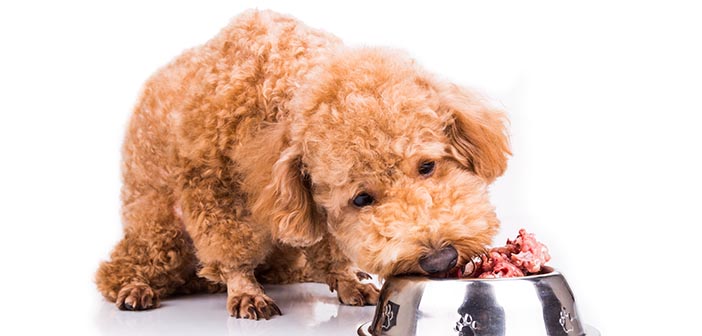
The Food Standards Agency (FSA) is reminding people to take care when handling raw pet food, following a survey that found some products can contain harmful bacteria that could make pets and their owners ill.
Even with the greatest care, the risk of cross-contamination is much higher with raw pet food compared to other pet food. This is because raw pet food may contain bacteria that would normally be killed during cooking.
This means there’s a risk that harmful bacteria, including those resistant to antibiotics (known as antimicrobial resistance or AMR), could be spread through contact with the pet food or your pet.
The FSA conducted a survey of 380 raw dog and cat food products bought from retail stores and online between March 2023 and February 2024, with laboratory testing carried out by the UK Health Security Agency (UKHSA). Where issues were identified, the FSA worked with local authorities to address them.
The findings were published to remind pet owners that following simple hygiene practices when storing, defrosting, handling and preparing these products can reduce the risk of illness to themselves and their families.
The survey found that:
- 35% contained harmful bacteria including Salmonella, Campylobacter and E. coli that can cause illness in people; and
- 29% failed to meet UK legal safety standards.
Young children, pregnant women, older people and those with weakened immune systems are at higher risk of serious illness and should take extra care with handling, storing and preparing raw pet food.
Pet owners who have concerns about the risks to their pet should speak to their vet about appropriate feeding choices.
The FSA is working with local authorities to remind feed businesses of their responsibilities in ensuring that pet food is safe and to reinforce guidance around the safe handling of raw pet food for pet owners.
Rick Mumford, interim chief scientific advisor for the FSA, said: “We know that many pet owners choose raw pet food. This survey shows that these products can pose risks to human and animal health.
“Good hygiene practices and safe handling can help reduce the risks to you and your family. Follow the same hygiene principles you would when preparing food for the humans in your life; washing hands thoroughly with soap and water, cleaning all surfaces, and storing and defrosting pet food and treats away from human food.”
UK Pet Food represents 15 dedicated raw pet food manufacturers who operate in line with robust UK legislation and industry best practice, and who are committed to transparency, responsibility, and continually raising standards.
The association said data from the Animal & Plant Health Agency indicates continued improvements in manufacturing controls within the raw pet food sector between 2022 and 2024.
Over this period, Salmonella isolations identified during manufacturing fell by nearly a third (29%), while sales volumes increased by 12.5%.
To proactively drive best practice, UK Pet Food developed industry guidelines for the manufacture of commercial raw pet food in conjunction with Defra, the Animal & Plant Health Agency, and the Food Standards Agency, which underpin the high standards our members are expected to follow.
Building on this work, UK Pet Food established the UK Pet Food Raw Pet Food scheme, an independent, sector-leading standard that supports safe production and handling and helps pet owners identify responsible manufacturers.
Greg Van Praagh, chair of the UK Pet Food Raw Manufacturers’ Working Group and managing director of Benyfit Natural, said: “As a member of UK Pet Food, we are continually striving to set the highest standards for the safe manufacture of raw pet food.
“Raising the bar is not optional for us, it’s fundamental to how responsible businesses in this sector operate, and it’s the direction we expect the industry to keep moving in.”