

Dairy farmers are being urged to prioritise balanced nutrition this spring, as delayed turnout and highly variable forage quality threaten to undermine herd performance.
Delayed turnout caused by persistent wet weather, coupled with reduced forage stocks after a difficult winter, has created a “double whammy” for dairy farmers heading into the grazing season.
Emily Keep, ruminant nutritionist at Duynie, said maintaining balanced diets is essential, even with milk prices under pressure.
“While low milk prices may tempt some to cut back to ease cash flow, the last thing we want is for diets to be reduced,” Ms Keep explained.
“We’ve seen this happen before, and the long-term consequences, particularly for fertility, can be significant.”
Balanced nutrition underpins every stage of reproductive performance, from transition cow management through to heifer rearing.
“Energy density, protein balance and mineral supply all need to be correct,” added Ms Keep. “If cows don’t receive enough energy, the impact is first seen in milk production, but longer-term effects show up in body condition, fertility and ultimately longevity. It’s vital farmers don’t scrimp on feed, as even small drops in conception rates or extended days open can have significant financial implications,” she added. “Protecting nutrition now protects margin later.”
Managing lush spring grass
Even where early turnout is possible, lush spring grass presents nutritional challenges. Young grass is high in sugar and rapidly degradable protein but low in structural fibre, meaning it ferments quickly in the rumen and can increase the risk of acidosis. Metabolic disorders such as hypomagnesaemia (grass staggers) are also more common.
Buffer feeding is key to maintaining rumen stability and ensuring adequate dry matter intake.
“The high rumen degradable protein in grass needs balancing with digestible undegradable protein and effective fibre,” explained Ms Keep. “When protein sources are balanced correctly, rumen health and milk production are maximised.
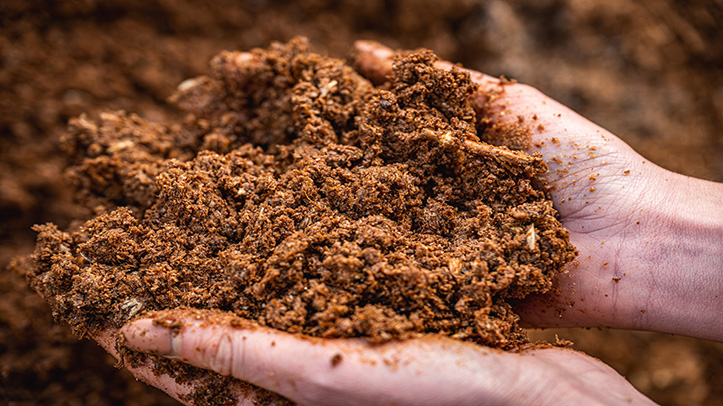
Supplementing grazing diets with co-products such as brewers’ grains or C*TraffordGold, a moist wheat-based distillers feed, can help provide good digestible fibre (NDF of 50-60% and 25% respectively), protein contents of about 20-24%, additional energy and slow passage through the rumen. Their high palatability also encourages voluntary feed intake, helping cows achieve the dry matter needed for milk production and fertility.
“Including co-products such as brewers’ grains and C*TraffordGold in spring rations helps ensure grass protein is fully utilised and supports efficient digestion,” said Ms Keep.
They can also help counter the butterfat drop commonly seen at turnout. Because of their shorter particle length, they should be fed alongside longer fibre sources such as straw or lower-quality silage. Suggested inclusion rates are typically 5–8kg per cow per day, with oil levels carefully balanced within the ration.
Strong spring availability allows co-products to be clamped under anaerobic conditions and stored for up to six months, giving farms a practical buffer against later-season forage pressure, while fresh product remains usable for around six weeks.
“Co-product feeds are an effective way to bridge the dry matter intake gap at turnout,” added Ms Keep. “As a buffer diet, they provide essential energy, encourage voluntary intake, and support both production and fertility. By carefully managing spring nutrition and including the right supplements, farmers can cost effectively protect cow health, maintain fertility, and make the most of their grazing season, ensuring long-term herd performance and profitability.”