

OvertheCounter
    Twitter LinkedIn
    • Email Newsletters
    • Magazine Subscriptions
    • About Us
    • Advertise
    • Contact Us
    Twitter LinkedIn
    CPD Log-In
    OvertheCounter
    • News
      • Dairy / Beef
      • Sheep
      • Pigs / Poultry
      • Equine
      • Companion
      • Retail
      • Training
    • Magazines
      1. January 2026
      2. November 2025
      3. September 2025
      4. July 2025
      5. May 2025
      6. March 2025
      Featured

      Over the Counter – January 2026

      By Simon KingJanuary 12, 2026
      Recent

      Over the Counter – January 2026

      January 12, 2026

      Over the Counter – November 2025

      November 3, 2025

      Over the Counter – September 2025

      September 15, 2025
    • CPD Training
      • AMTRA CPD Modules
        • Frontline Academy
        • Companion Animal CPD Modules
        • Equine CPD modules
        • Livestock CPD Modules
        • Poultry CPD Modules
        • Are you a Gold Standard SQP?
      • VETPOL CPD Modules
        • Companion Animal CPD Modules
        • Equine CPD Modules
        • Livestock CPD Modules
        • Poultry CPD Modules
      • Earning CPD points with overthecounter.news
      • CPD Log-In
      • Wormstock 2023
    • National SQP Awards
    OvertheCounter
    Equine

    Managing parasites after a waterlogged winter

    mmBy Simon KingFebruary 16, 2026No Comments3 Mins Read
    LinkedIn Twitter Facebook Email
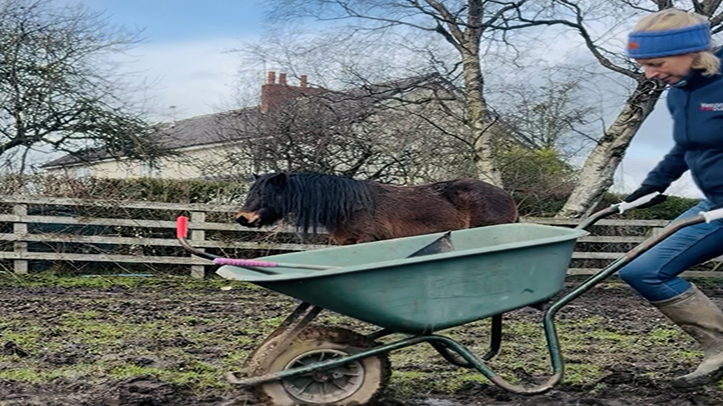
    The wet winter has prevented many owners from poo picking their paddocks

    Claire Shand, director of marketing at Westgate Labs, says if the start of 2026 has felt like one long downpour, you are not imagining it.

    Many horse owners have spent weeks staring at waterlogged paddocks, deep mud and gateways that swallow wellies whole. When the ground is saturated and a wheelbarrow will not move, regular poo picking can become impossible.

    With that often comes guilt. We know good pasture hygiene matters. Yet there are times when the weather simply wins.

    At Westgate Labs, we understand this all too well. Many of us keep our own horses on heavy clay soils, managing paddocks as best we can. This winter has tested practical limits and patience in equal measure.

    Keeping horses means you live every inch of the weather. When the ground is saturated and you physically cannot get across it with a barrow, there’s nothing to do but accept the situation. Beating yourself up achieves nothing. The key is to focus on what you can control and have a sensible plan for when conditions improve.

    First, give yourself permission
    If you have not been able to poo pick regularly through the worst of the mud, you are not alone. Trying to drag barrows through deep mud risks injury to you, damage to what little of the sward is left and unnecessary stress. Welfare includes yours as well as your horse’s too. Parasite control is important, but so is avoiding burnout.

    When it dries out, act strategically
    As ground conditions improve, start by removing accumulated droppings as thoroughly as possible. Even a few focused sessions can significantly reduce contamination before larvae migrate further onto grazing areas.

    If you are considering harrowing to break up droppings, timing is critical. Harrowing spreads larvae across the pasture, so it should only be done during dry, warm conditions when fields can then be rested. Ideally, rest harrowed pasture for at least six months before grazing again. Without that rest period, harrowing can increase, not reduce, infection risk.

    Where space allows, rotate grazing to give heavily contaminated areas a break. Even partial rotation, for example fencing off the worst gateway zones, can help. If you have access to sheep or cattle grazing, mixed species grazing can dilute equine specific parasites.

    For many small set-ups, resting land for long periods is not realistic. In those cases, the focus shifts to monitoring.

    Keep testing, keep assessing
    After a winter when pasture hygiene has been compromised, regular worm egg counts become even more important. Testing at appropriate intervals every 8-12 weeks allows you to see whether egg shedding is rising.

    Use a structured risk assessment approach to review stocking density, age groups and recent history. If conditions have increased exposure, testing will highlight this before clinical signs appear. Evidence-based decisions are especially valuable when management options are limited.

    Moving forward, not backwards
    A wet winter does not undo years of responsible parasite control. What matters is how we respond. Remove what you can when you can. Rest and rotate where practical. Test regularly. Treat only when evidence supports it.

    Most importantly, look after your horse and yourself. Sustainable parasite control is about balance, not perfection.

    Share. LinkedIn Facebook Twitter Email
    Previous ArticleCANTER publishes revised Guidelines
    Next Article Downland expands network with two new Franchise partners
    mm
    Simon King

    Editor - Over The Counter. Simon has more than 20 years’ experience in B2B publishing. When not slumped over his PC, Simon is a keen follower of sport, supporting Manchester United, and is at his absolute happiest watching most sport in glorious UHD, with something cold to drink by his side.

    Read Similar Stories

    Downland expands network with two new Franchise partners

    CANTER publishes revised Guidelines

    Jollyes Pets announces two senior appointments

    Most Read

    Downland expands network with two new Franchise partners

    February 17, 2026

    Managing parasites after a waterlogged winter

    February 16, 2026

    CANTER publishes revised Guidelines

    February 13, 2026

    Any animal medicine advertising or promotion should conform to the ‘code of practice’ of the National Office of Animal Health (NOAH).
    For full details contact the publisher or www.noah.co.uk.

    Lewis Business Media Ltd endeavours to make articles and statements as accurate as possible.

    © 2025 Lewis Business Media. All Rights Reserved.
    Lewis Business Media, Suite A, Arun House, Office Village, River Way, Uckfield, TN22 1SL

    Privacy Policy | Cookie Policy | Terms & Conditions

    The OTC "tick" mechanism is the copyright of Lewis Business Media Ltd ©2025

    • Pet Business World
    • Pest

    Type above and press Enter to search. Press Esc to cancel.

    We use cookies on our website to give you the most relevant experience by remembering your preferences and repeat visits. By clicking “Accept All”, you consent to the use of ALL the cookies. However, you may visit "Cookie Settings" to provide a controlled consent.
    Cookie SettingsAccept All
    Manage consent

    Privacy Overview

    This website uses cookies to improve your experience while you navigate through the website. Out of these, the cookies that are categorized as necessary are stored on your browser as they are essential for the working of basic functionalities of the website. We also use third-party cookies that help us analyze and understand how you use this website. These cookies will be stored in your browser only with your consent. You also have the option to opt-out of these cookies. But opting out of some of these cookies may affect your browsing experience.
    SAVE & ACCEPT
    Powered by CookieYes Logo