

The Responsible Use of Medicines Alliance – Companion Animal and Equine (RUMA CA&E) has published its fourth Annual Progress Report, highlighting its own work as well as industry achievements and initiatives in antimicrobial stewardship (AMS), plus unveiling its next strategic priority: sustainable parasite control.
Data from the Veterinary Medicines Directorate (VMD), based on the UK-Veterinary Antibiotic Resistance Sales Surveillance (2024) Report, shows encouraging trends:
Dogs
Antibiotic use (mg/kg) has declined annually since 2016 (except for between 2020 and 2021), with a 12% reduction between 2023-2024 and over 70% since 2014. HP-CIA use is at its lowest since 2014 with an overall reduction of 59% in that time and is down 6% year-on-year (2023-2024).
Cats
After an 11% rise in 2022–2023, antibiotic use fell by 7% in 2023–2024. HP-CIA use decreased by 6% year-on-year (2023-2024) and 46% overall since 2014.
Topical antibiotics
Over 10 years, sales have dropped by 48% in dogs and 49% in cats.
The report also covers key updates on two major initiatives; the launch of the first-ever National AMU Reduction Targets for companion animals (which have already attracted widespread industry support and media coverage), and the Alliance’s parasiticides approach, both of which were shared at the Alliance’s inaugural webinar series early in November, followed by a presentation at London Vet Show in the Zoetis Learning Academy entitled: ‘Antibiotics and parasiticides – what does the future hold for stewardship?’.
Steve Howard, RUMA CA&E secretary general, confirmed parasiticides as the next core focus of the Alliance, alongside ongoing AMU efforts and future work on other medicine classes.
Overview of the RUMA CA&E Parasiticides Approach
Since its inception in 2020, RUMA CA&E initially focused its efforts on the responsible use of antibiotics, but its remit also extends to supporting discussions around the responsible use and stewardship of other companion animal medicines.
RUMA CA&E recently created a short-term sub-group which brought key experts together to define what role it should play in addressing ‘medicines stewardship beyond antimicrobials’. In the first instance, the group focused on a risk and impact exercise to assess from a One Health perspective the use of anthelmintic, endoparasiticide and ectoparasiticide products, considering the potential development of animal resistance to these products, and the environmental/wildlife and human impact they may have and grading the risks from significant, moderate, low or not a factor.
This work also extended to consider endocrine products and endocrine disruptors, controlled drugs and also disinfectants. Any available evidence was also taken into account, but it became clear from the outset that there are significant gaps in evidence on the wider impacts of the use of certain classes of medicines on resistance (for animals and humans), and on the environment.
Mr Howard said: “With regard to parasiticides specifically, the group noted that these medicines play a crucial role in protecting animal and human health and welfare and therefore, there is a need to balance responsible and correct use and educate owners to avoid misapplication.
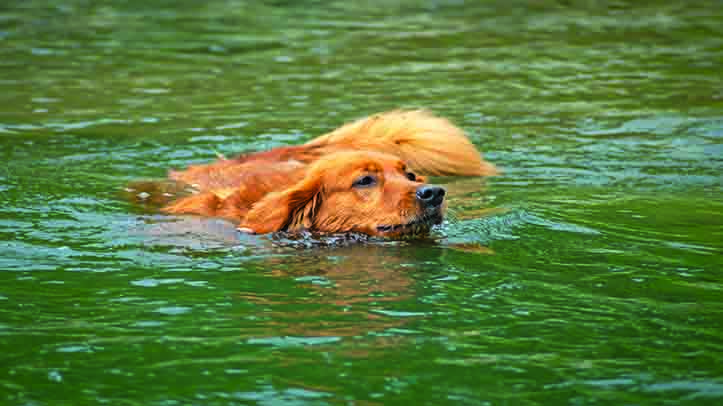
“A good example of the latter is the contamination of water by owners inadvertently washing off external parasite treatments either by bathing dogs or by letting their pets swim in waterways too soon after application.”
Mr Howard said that more evidence gathering will be important moving forwards to understand some of the wider impacts on resistance and on the environment of these and other classes of medicines in order to develop accurate guidance for the profession.
“In the absence of that evidence, driving more responsible use, accurate application and safe disposal by pet owners, would most certainly have a positive impact in the meantime from a One Health perspective,” he added.