

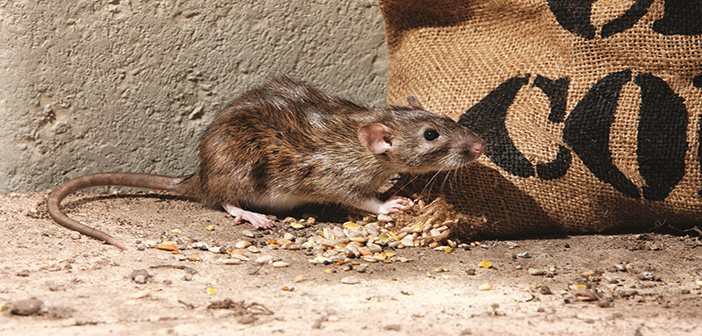
Laurence Barnard from BASF Pest Control Solutions shares his advice on how farmers can tackle rodents on farm and protect their livestock
Pests can introduce an array of issues for farmers, with contamination, disease and damage to property being the top causes of financial losses. In fact, it is estimated that one rat can consume and contaminate 100kg of stored animal feed and grain per year, meaning a severe infestation of 200+ rats can potentially damage a massive 200 tonnes annually.
Rodents can introduce a variety of diseases to livestock, which ultimately can lead to a decrease in output, such as milk production in cows, or even in extreme circumstances, severe illness or death, creating a further dent in farm profits and costs.
When an infestation is identified, it’s easy to reach straight for a chemical solution to try and deal with the issue, but this is not a sustainable approach, nor an effective long-term fix. Before any pest control product is considered, effective environmental proofing and a thorough integrated pest management programme (IPM) must be conducted.
What is an integrated pest management plan?
An integrated pest management (IPM) plan is a strategy to prevent, detect and control pests. It is an approach to pest control that focusses on reducing the reliance on chemicals, and instead looks at ways to prevent infestations from occurring in the first place, putting factors in place to detect them before they get out of hand.
Not only does this help protect farmers’ livestock and livelihoods, but it also reduces the negative impact on the environment through limiting the need to introduce toxic substances.
An IPM approach does not only protect against rodents, but also the introduction of other problematic pests too. It is a strategy that should be followed throughout the year to safeguard the farm, its animals and workers. Here are my top tips and preventative measures that farmers can implement into their IPM for ongoing protection.
Maintain a clean and tidy site
While it may seem straightforward, regularly tidying up your land is the first essential step and should be a consistent part of your maintenance routine. Eliminate access to potential food sources by ensuring animal feed stores are secure. Minimise the use of pallets and sacks, as these provide ideal shelter for rodents.
Additionally, promptly dispose of any rubbish or unwanted straw and hay to reduce the time available for rodents to settle in.
Cut back vegetation and bushes around buildings
Rats tend to avoid open spaces, so cutting back shrubs and vegetation by at least one meter around all buildings will make them less likely to cross an open yard to enter. This also makes it easier to see any rat burrows and gives predators such as cats or birds of prey more chance of spotting them too.
Rodent-proof buildings
Rodents can squeeze through surprisingly small openings – mice can pass through gaps as small as 6mm, and rats can get through gaps of 10mm. Therefore, thoroughly inspect all buildings, storage areas, and outhouses for any wear and tear in walls, pipes, doors, and windows.
If possible, use durable materials like metal sheeting to block any compromised areas, as it’s well known that rats can chew through everything from wooden posts to drywall.
Examine the building for evidence of an existing infestation
Look for visible footprints at ground level or on ledges, smear marks along ledges, walls, or cables, structural and equipment damage from gnawing, and droppings—all clear indicators of a problem.
Remember to check electrical wires and cables, as many farm fires have been caused by rodents chewing through them. If you’re uncertain, sprinkle a patch of sand along a suspected rat path overnight – paw prints will confirm an active infestation the next day.
Alternatively, monitoring products like BASF’s Monitoring Paste is also a great way to detect early signs of infestation. And if activity is confirmed, switching to its sister bait, Selontra, will be smoother due to the neophobic behaviour towards the fresh bait being reduced thanks to its same high-palatability formula.
Securely store your animal feed
Protecting your animal feed from contamination and consumption is a crucial step. Rats can carry up to 45 dangerous diseases, posing significant health and safety risks. Make sure storage areas are thoroughly cleaned and inspect them closely for any entry points or damage where rodents could get in. Clean up any food spills immediately.
Despite best efforts, preventative measures can fail and due to the attractiveness of farms to pests, and the use of non-chemical methods such as traps fail, then you may have to opt for chemical control.
If all preventive and non-chemical control methods fail, it’s crucial to choose the right rodenticide for your situation. In areas known for rodenticide resistance, avoid baits containing Difenacoum and Bromadiolone, a common active ingredient in many anticoagulant baits.
Over time, many rodents have developed resistance to these substances, making treatments ineffective and potentially worsening your rodent problem as resistant rats and mice breed and spread resistance.
Instead, opt for a bait with cholecalciferol as the active ingredient, such as Selontra, which can achieve control in as few as seven days. Its stop-feed effect halts both rats and mice within 24 hours of consuming a lethal dose, eventually leading to death through hypercalcemia – excessive calcium in the blood.